Those who carry the work
Trauma-informed courses & resources for first responders, public safety personnel,
peer supporters, families, leaders & exposure-impacted professionals.
Some work asks more of the human system than most people ever see.
This pathway is being created for first responders, public safety personnel, peer supporters, families, leaders, and others connected to exposure-based work — people who may be affected by what they witness, hear, hold, respond to, absorb, decide, clean, comfort, lead, or cannot prevent.
It begins with the first responder, public safety, CISM, and peer support communities in mind, while also recognizing the wider circle of people who live, lead, and work close to crisis, trauma, death, suffering, violence, emergency response, and aftermath.
These roles are not the same.
Their cultures, responsibilities, risks, and forms of exposure differ. This work does not treat them as interchangeable.
Instead, this pathway is offered in support and solidarity — with dignity, respect, and honour — for those who carry the work, and for those who walk beside them.
Offered in solidarity, not assumption.
Built with dignity, respect, and honour.

A Note on Respect, Role & Solidarity
This work is part of my commitment to help those who help others.
It is not built on the assumption that all helping roles are the same.
They are not.
First responders, public safety personnel, dispatchers, emergency healthcare workers,
peer supporters, counsellors, crisis workers, leaders, families, funeral professionals, trauma-scene cleaners,
and others connected to exposure-based work each carry distinct responsibilities, cultures, risks, and lived realities.
This work is offered in support and solidarity, with dignity, respect, and honour for those differences.
It is created from the understanding that many people can be affected by what they witness, hear,
hold, respond to, absorb, decide, or cannot prevent.
My role is not to claim the lived experience of every profession represented here.
My role is to be a careful steward of the trauma-informed education, clinical knowledge,
integrative understanding, and human care I do have to share.
These resources are created for those who carry the work
and for those who love, lead, and walk beside them.
Different roles. Different cultures. Shared humanity.

How the Pathway Is Being Built
This is not being created as one single course, because the impact of exposure-based work does not live in only one place.
It may live in the body of the person who responds.
It may live in the nervous system of the person who dispatches the call.
It may live in the family who notices something has changed but does not know how to name it.
It may live in the peer supporter who becomes the safe person for everyone else.
It may live in the leader trying to hold a team together after difficult calls, losses, conflict, burnout, or silence.
It may live in the wider circle of professionals who witness, treat, clean, comfort, guide, support, or carry the aftermath of human suffering.
For that reason, these resources are being developed in connected streams rather than one generic pathway.
The Responder & Public Safety Stream
For those directly shaped by emergency response, public safety, operational stress, and repeated exposure.
This stream focuses on the realities of service, the cost and strength of carrying the work, operational stress, nervous system adaptation, peer support, identity, family impact, transition, and the possibility of staying human within and beyond the role.
The Family & Loved Ones Stream
For those who live beside the work and are affected by what comes home.
This stream supports families and loved ones in understanding impact without self-erasure, communicating without chasing or collapsing, holding compassion with boundaries, and remaining connected to themselves while loving someone shaped by exposure-based work.
The Leadership, Peer Support & Culture Stream
For those responsible for shaping the environments people work within.
This stream focuses on culture, trust, psychological safety, peer support, early support, supporting the supporters, and moving care from policy into lived practice.
The Wider Exposure-Impacted Professional Stream
For those whose work brings them close to trauma, grief, death, crisis, suffering, violence, emergency care, or aftermath.
This stream recognizes that these professions are not interchangeable, while still offering support for the human impact of repeated exposure, responsibility, and proximity to suffering.

Courses in Development
The following courses are being created as part of this pathway.
Some are designed for individuals.
Some support families and loved ones.
Some are being developed for peer teams, leaders, and organizations.
Each course is being built with the same core commitments: trauma-informed education, nervous system awareness, practical reflection, professional respect, human dignity, and care for the whole person.
explore the four pathways:
1. First Responders & Public Safety
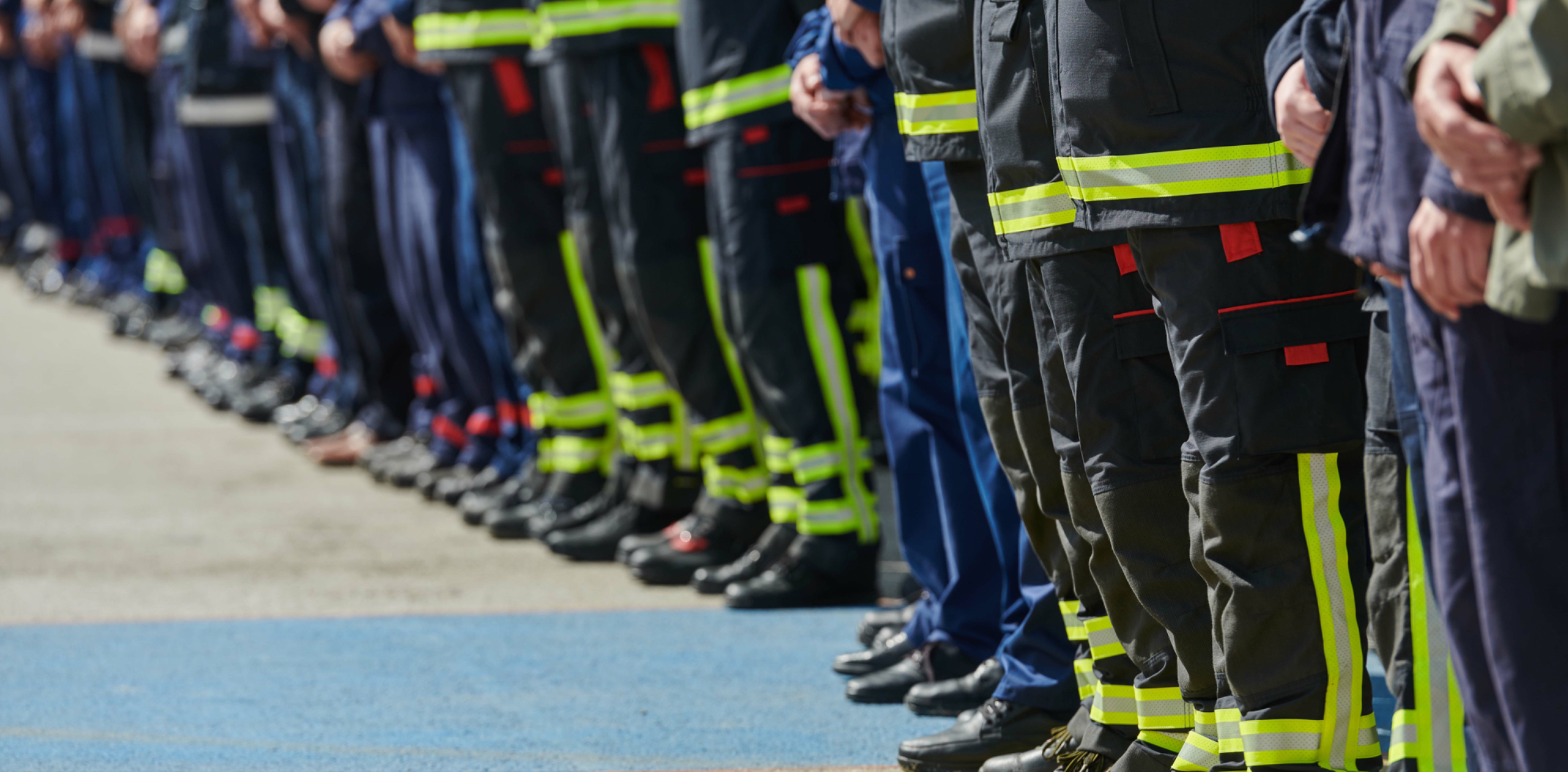
For firefighters, police, RCMP, paramedics, EMS, corrections, search and rescue, dispatchers, 911 operators, public safety personnel, CISM-trained responders, peer supporters, and chaplains connected to emergency services.
This pathway focuses on the realities of service, operational stress, repeated exposure, identity, peer support, family impact, transition, and the cost and strength of carrying the work.
Explore First Responders & Public Safety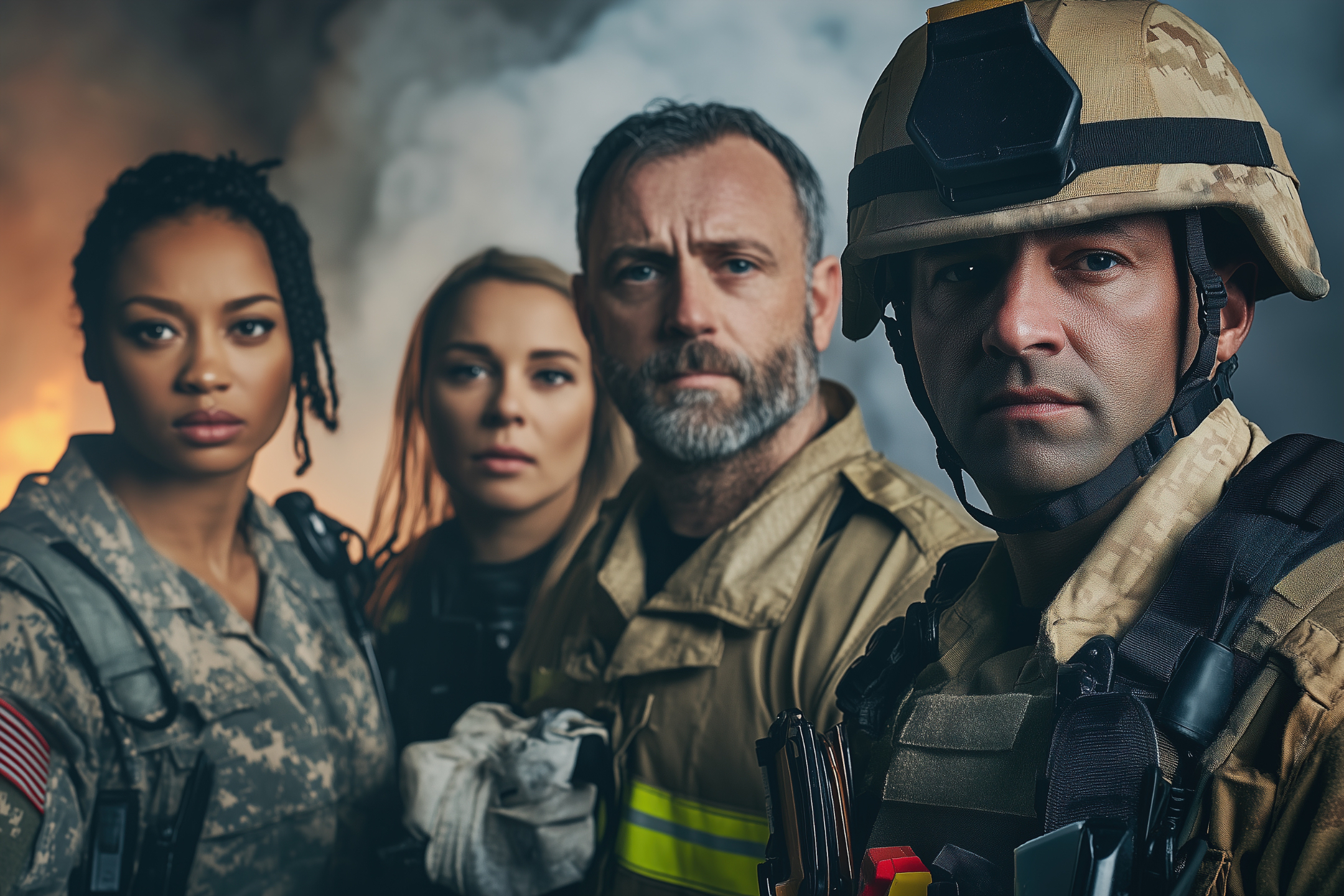
2. Families & Loved Ones
For partners, spouses, adult children, parents, chosen family, close friends, and loved ones who live beside the impact of exposure-based work.
This pathway supports families and loved ones in understanding what may come home, what is not theirs to carry, how to communicate without chasing or collapsing, and how to remain connected to themselves while loving someone shaped by the work.
explore families & loved ones
3. Leaders, Peer Teams & Organizations
For chiefs, supervisors, peer support teams, CISM teams, wellness coordinators, HR professionals, chaplains, training officers, associations, unions, and organizational decision-makers.
This pathway focuses on culture, trust, psychological safety, peer support, supporting the supporters, organizational response, and moving care from policy into lived practice.
explore leaders, peer teams & organizations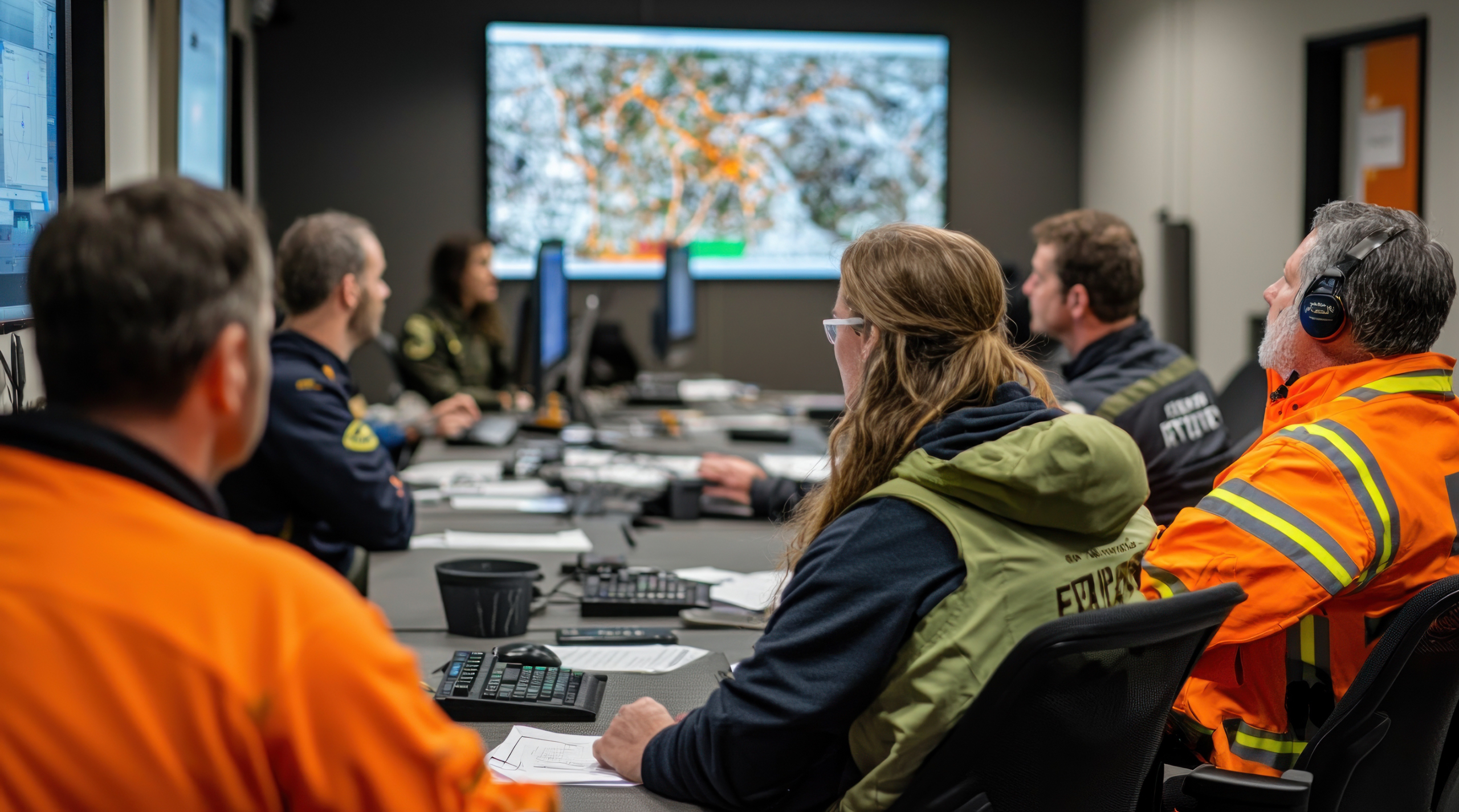
4. Exposure-Impacted Helping Professionals
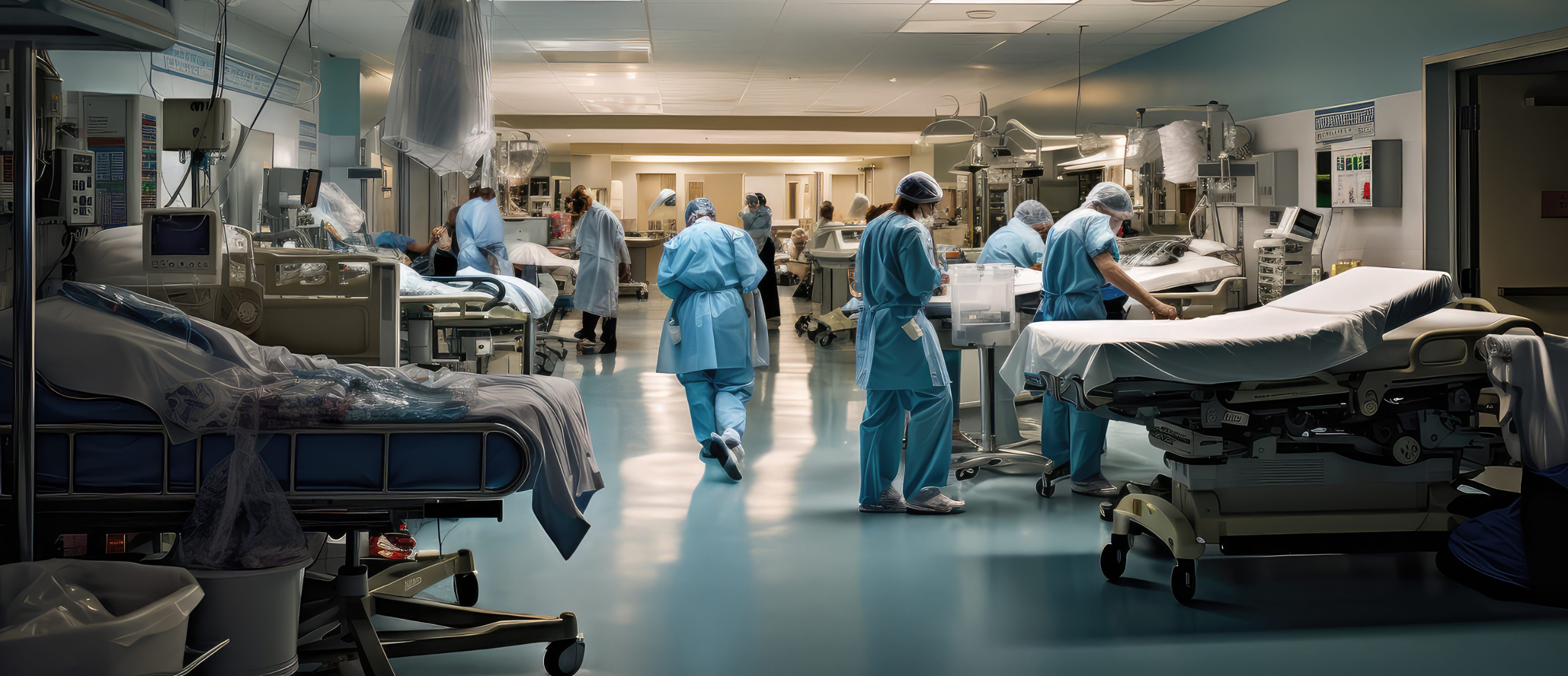
For emergency healthcare workers, ER nurses, physicians, crisis counsellors, therapists, social workers, victim services workers, shelter and outreach workers, funeral professionals, coroners, trauma-scene cleaners, death-care workers, spiritual care providers, and others whose work brings them close to human suffering, grief, trauma, death, or aftermath.
This pathway recognizes that not all exposure-based roles are the same, while offering support for the human impact of repeated witnessing, responsibility, proximity to suffering, and care for others in crisis or aftermath.
explore exposure impacted helping professionals