
leaders, peer teams & organizations
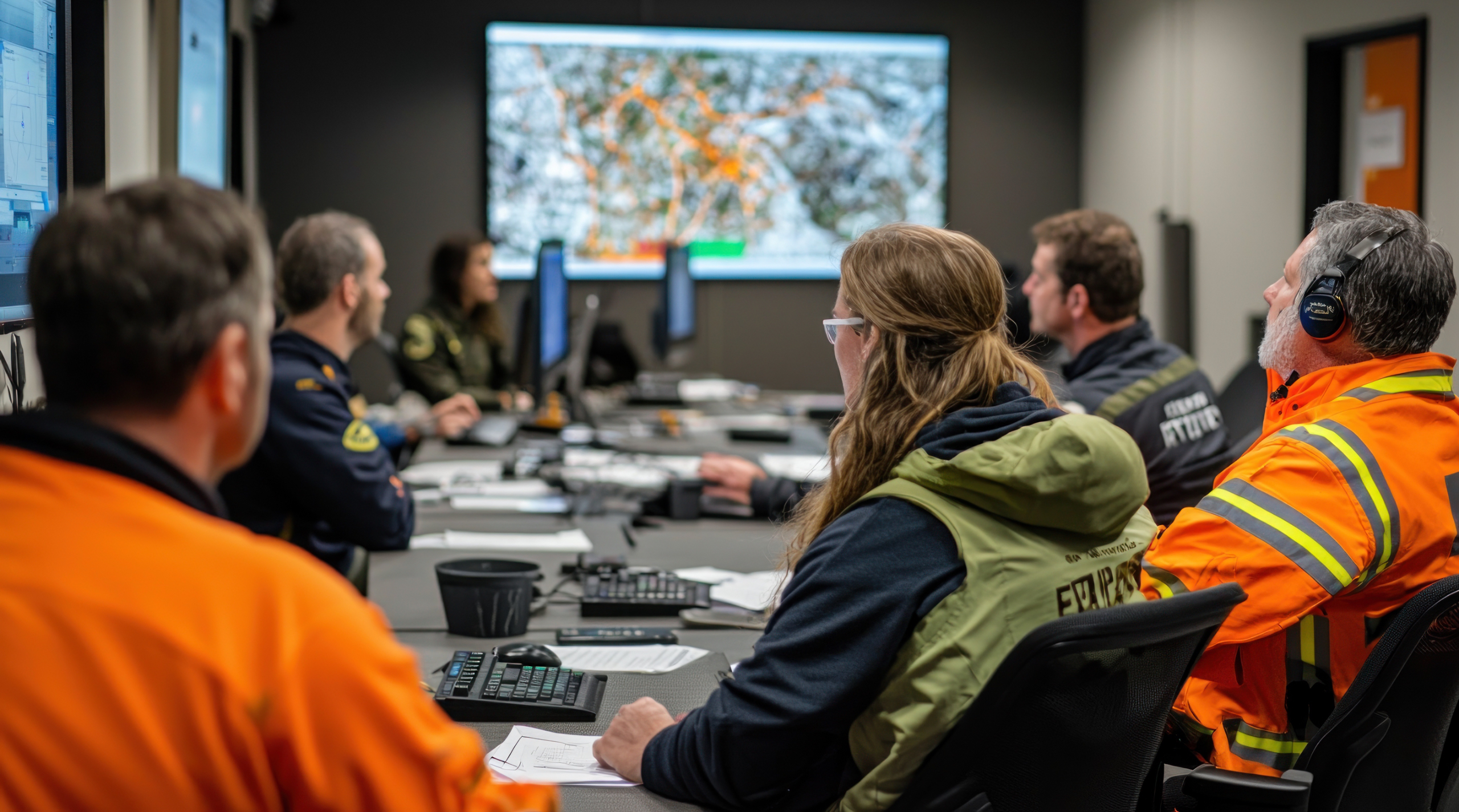
CULTURE, SUPPORT & WHAT HAPPENS NEXT
How Organizational Reality Is Created, Carried, Repaired & Completed
In high-pressure environments, culture is never neutral.
People learn what is safe to say, what must remain hidden, who can be trusted, what will be judged, and whether asking for support may cost them belonging, credibility, opportunity, or identity.
These lessons are not formed only through policy.
They are formed through repeated participation:
what leaders notice;
what teams normalize;
what organizations reward;
what gets minimized;
what is protected;
what is avoided;
what is left unfinished;
and what people are quietly required to carry in order for the system to keep functioning.
This pathway supports leaders, supervisors, chiefs, peer teams, wellness coordinators, chaplains, human-resource professionals, training officers, associations, unions, and organizations in understanding not only what support should look like, but what their everyday choices are already helping create.
Grounded in established knowledge about psychological safety, operational stress, burnout, peer support, organizational trust, leadership response, and critical incidents, these courses also bring forward the deeper Katalyst lens of perception, meaning, participation, distortion, responsibility, relationship, restoration, and completion.
The central question beneath the pathway is:
What reality are we helping create through the way we lead, respond, withhold, reinforce, repair, and follow through?
The movement through the pathway is:
recognize what the culture is creating → support those who carry what the culture produces → meet, repair, and complete what difficult events leave behind
Each course may be taken independently or as part of the complete pathway.
courses in development
CULTURES THAT HOLD
How Leadership, Meaning & Repeated Participation Become Lived Culture
A supportive culture is not created only through crisis response.
It is created in daily moments.
It is created in how leaders respond to strain, whether rest is respected, how difficult calls are spoken about, how conflict is handled, how new members are formed, how mistakes are met, how peer support is introduced, and whether asking for help is treated as responsible practice or personal weakness.
An organization may publicly say that support matters while repeatedly creating a reality in which reaching for that support costs trust, status, belonging, opportunity, or identity.
People believe what repeatedly happens.
They learn culture through the distance between what is said and what is lived.
This course explores how leadership, culture, and repeated organizational participation shape psychological safety, help-seeking, trust, burnout, retention, cynicism, peer-support use, and disengagement.
It also examines why good people may begin to withdraw, detach, stop believing support is real, or leave work they once cared deeply about.
Burnout is rarely only an individual failure of resilience.
It may be shaped by repeated exposure, staffing strain, moral distress, unresolved conflict, administrative burden, role overload, insufficient recovery, betrayal of trust, broken promises, inconsistent standards, and environments in which people are expected to continue functioning regardless of cost.
The deeper questions include:
What is our culture teaching people to conceal?
What meanings are created by leadership silence or inconsistency?
What has become normalized because it allows the system to keep functioning?
What are people being asked to deny in order to remain included?
Where has trust been weakened?
What would meaningful recognition, repair, and change require?
This course does not treat culture as branding, morale, or a statement of organizational values.
Culture is what repeatedly enters shared reality through what people say, choose, permit, reinforce, avoid, and fail to complete.
The purpose is to help support become part of the lived culture—not only a policy, poster, phone number, annual presentation, or resource introduced after someone is already in crisis.
SUPPORTING THE SUPPORTERS
Discernment, Responsibility & Completion for Those Others Turn Toward
Some people become the safe place for everyone else.
Peer supporters, chaplains, counsellors, leaders, supervisors, mentors, wellness coordinators, and trusted informal anchors may hold stories, disclosures, grief, conflict, fear, crisis, and responsibility that others never see.
They may be expected to listen without judgment, remain calm, protect confidentiality, recognize risk, know what to say, connect people with resources, and continue functioning within the same organization or culture from which the concerns arise.
Support roles can be meaningful, protective, and deeply human.
They can also create secondary exposure, blurred boundaries, role confusion, isolation, moral pressure, secrecy, over-responsibility, and an unspoken expectation that the supporter should always be able to carry more.
This course explores the continuing impact of being the person others turn toward.
It includes role clarity, scope, confidentiality, consultation, referral pathways, secondary exposure, emotional load, boundaries, supervision, rest, transition after difficult conversations, and the support needs of those who provide support.
It also goes deeper.
A support role can become fused with identity.
Being trusted can begin to feel like being responsible.
Caring can quietly become carrying.
Loyalty can become secrecy.
Availability can become the belief that you must continue holding what was disclosed long after the conversation has ended.
The deeper questions include:
What entered me through this encounter?
What belongs to me, to the other person, to the relationship, and to the organization?
Where has care become responsibility for another person’s outcome?
What remains active within me after the conversation ends?
What is mine to respond to, and what requires another level of care?
What would allow this encounter to complete without abandoning the person or carrying them indefinitely?
The purpose is not to make supporters less available or less caring.
It is to help them develop discernment, proportion, clarity, and sustainable participation.
Those who support others should not become the private container for what an individual, team, organization, or professional system has failed to hold.
And those who help others carry the work should not have to carry their own role alone.
AFTER THE HARD CALL
What Organizations Create Through Response, Silence, Repair & Completion
What happens after a hard call matters.
The hours, days, and weeks following a critical incident, line-of-duty death, suicide, severe injury, child death, mass-casualty event, violent call, near miss, internal conflict, or painful operational outcome can shape trust for years.
People often remember not only the event itself, but what happened afterward.
They remember who showed up.
What was said.
What was avoided.
Whether their needs were assumed or asked about.
Whether support was offered with dignity.
Whether operational demands immediately eclipsed the human impact.
Whether promises were kept.
And whether anyone returned after the initial response to see what remained.
A difficult event creates one impact.
The organizational response may create another.
Silence, rushed return to duty, altered truth, inconsistent communication, forced participation, public recognition without private support, poor follow-through, or the disappearance of leadership after the initial response can all become part of what people must later recover from.
This course explores organizational response following events that leave an imprint.
It includes leadership presence, communication, peer support, family awareness, referral pathways, psychological safety, follow-up, memorialization, return-to-work considerations, operational continuity, conflict, and the difference between completing a procedure and genuinely supporting people.
It also examines how organizations may unintentionally create additional harm through responses designed primarily to restore function, manage liability, protect reputation, or return quickly to normal.
The deeper questions include:
What has entered shared reality through this event?
What has entered through our response to it?
What remains active, unspoken, distorted, or incomplete?
What belongs to the event, and what was created afterward?
What belongs to leadership, peers, clinical support, the organization, and the individual?
What would genuine recognition, restoration, repair, or completion require now?
This is not about returning everyone to how things were.
Nor is it about controlling how people are permitted to be affected.
It is about meeting what is now true, responding with steadiness and proportion, and ensuring that people are not left carrying both the difficult event and the organizational failure to meet what followed.
The goal is not a perfect response.
It is an organization capable of learning, repairing, following through, and moving forward without building the next stage on silence, distortion, or unfinished impact.

How to Use This Pathway
You do not need to wait until something has gone wrong to begin.
This pathway is for building the conditions that make support usable before crisis, trusted during crisis, and sustained after crisis.
You may begin with culture.
You may begin with peer support.
You may begin with burnout, retention, organizational response, or supporting the supporters.
The best starting point is the place where the gap between stated values and lived reality is most visible.
These courses are being created to support education, reflection, conversation, and practical change. They are not a replacement for legal advice, clinical consultation, crisis response, labour guidance, occupational health processes, or organizational responsibility where those are required.